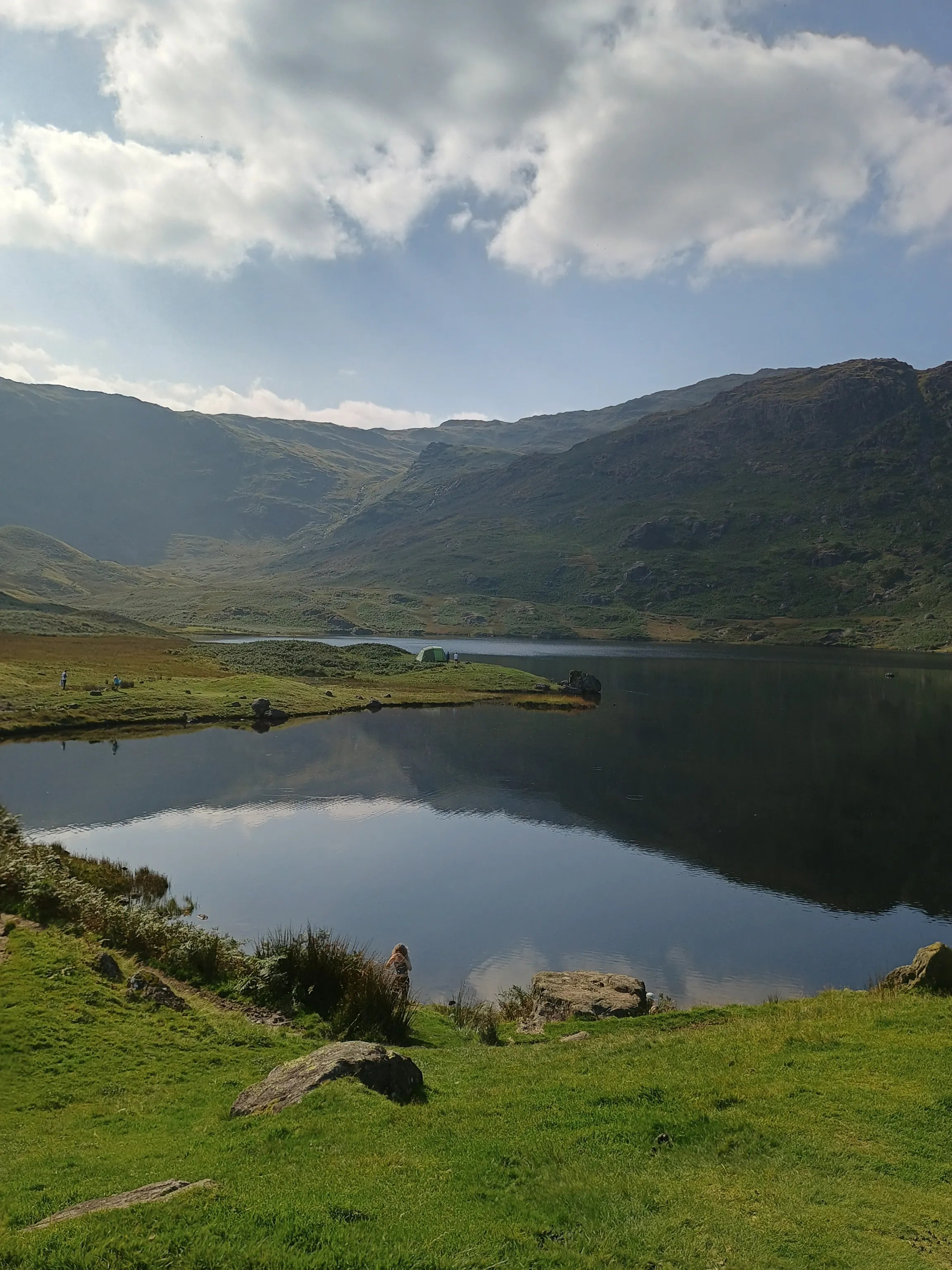
UK hill weather can change from warm sun to driving rain in an hour. The answer is not one big coat, it is a few thin layers you can add and remove. This guide explains the layering system, how to choose boots and socks, and what we would put in the pack for each season.
Gear in this guide
Quick picks, with what each is best for. Links go to Amazon UK; as an Amazon Associate I earn from qualifying purchases, at no extra cost to you. Full reviews are on the gear page.
| Product | Best for | |
|---|---|---|
| Scarpa Terra GTX | Best all-round boot for UK hillwalking | View on Amazon |
| Aku Trekker Lite III GTX | Best for protection and durability | View on Amazon |
| Merrell Moab 3 Mid GTX | Best value mid boot | View on Amazon |
| Bridgedale Hike Midweight Merino Comfort | Best everyday walking socks | View on Amazon |
| Rab Downpour Plus 2.0 | Best value waterproof | View on Amazon |
| Montane Spirit | Best tough Gore-Tex waterproof | View on Amazon |
| Rab Microlight Alpine | Best warm layer for cold days | View on Amazon |
| Montane Fireball Lite | Best active insulation | View on Amazon |
| Rab Syncrino Base Tee | Best merino-blend base layer | View on Amazon |
The layering system
Layers let you control your temperature. When you climb you get hot, and when you stop on a summit you cool down fast. Several thin layers handle that better than one thick one.
- Base layer sits against your skin and moves sweat away.
- Mid layer or insulation traps warmth. This is the layer you add or remove.
- Waterproof shell keeps out rain and wind. It goes on top when the weather turns.
Start the walk slightly cool. You will warm up within ten minutes, and sweating early makes you cold later. Stop to take a layer off before you overheat, and put one on before you get cold.
Base layer
Choose merino wool or a merino and synthetic blend, or a synthetic top. Avoid cotton, which holds sweat and rain and stays wet. The Rab Syncrino Base Tee is a merino and synthetic blend that The Great Outdoors found breathable and good at controlling odour. It was a little slow to dry in their test, so a quick-drying synthetic is a reasonable alternative if you sweat heavily.
Insulation and mid layers
This is your warm layer for breaks, summits and cold days. There are two main types:
- Down is very warm for its weight and packs small. The Rab Microlight Alpine uses 700-fill hydrophobic down and a wind-blocking Pertex Quantum shell. Reviewers found it a versatile all-rounder, though heavier than many lightweight down jackets.
- Synthetic insulation keeps working when damp, and many versions are made to be worn while moving. The Montane Fireball Lite uses synthetic insulation with stretch fleece panels. It suits stop-start walking, though reviewers found it not very breathable when working hard.
Keep your insulation in a dry bag inside your pack so it stays dry for when you need it most.
Waterproof jacket
A waterproof jacket is non-negotiable for UK hills. Two things to look at are how waterproof it is, and how well it breathes, because a jacket that traps sweat gets you wet from the inside. Our two picks:
- Rab Downpour Plus 2.0: a 2.5-layer Pertex Shield jacket at about 375 g, with pit zips and a helmet-compatible hood. A good-value choice at around £165.
- Montane Spirit: a tougher Gore-Tex Paclite shell with fully taped seams and big map-sized pockets. UK reviewers praised its weather protection, but it has no underarm vents, so it is less breathable.
Both Rab and Montane are British brands that are widely stocked in UK outdoor shops, so you can try them on before buying. A waterproof is a layer for rain and wind, so take it off, or open the vents, when you are working hard to avoid overheating.
Boots
Your boots matter more than almost any other kit. A good pair gives grip, support and protection from wet ground. When we looked at UK tests, these three stood out for different reasons:
- Scarpa Terra GTX: named best overall boot by OutdoorsMagic's UK test. About 570 g per boot, comfortable from the start and suited to spring to autumn.
- Aku Trekker Lite III GTX: a close second, with more protection and a reliable Gore-Tex membrane. It costs more, and the standard fit is slim, so consider the wide fit.
- Merrell Moab 3 Mid GTX: the value pick at around £150 to £160, and lighter at roughly 495 to 510 g per boot, though reviewers rated its traction only middling in some conditions.
How to choose
- Try them on in the afternoon, when your feet are slightly bigger, and wear the socks you will walk in.
- Check the fit. Your heel should stay put and your toes should have room to move. Brands fit differently: some run narrow, and some offer a wide fit.
- Break them in on shorter walks before a big day. Do not debut new boots on a long route.
- Match them to your walking. Three-season hill boots suit most UK walkers. Winter conditions with snow and ice need a stiffer boot.
Socks
Good socks reduce the chance of blisters. Choose a cushioned walking sock made of merino or a merino blend, not cotton. The Bridgedale Hike Midweight Merino Comfort is a cushioned, durable option from a British brand that The Great Outdoors found dries quickly. Check the label for the blend, because the merino content varies, and carry a spare pair on long days.
Hat, gloves and legs
- Hat and gloves. Carry them all year, even in summer. They weigh very little and make a big difference if the weather turns.
- Legs. Wear walking trousers or leggings that dry quickly. Avoid jeans, which soak up water and are heavy and cold when wet. Carry waterproof trousers on days when rain is likely.
- Gaiters can keep mud and water out of your boots on boggy ground.
What to wear by season
Spring and autumn
Base layer, mid layer or light insulation, waterproof jacket, hat and gloves. Conditions swing the most in these months, so layers matter most.
Summer
A light base layer, a thin insulation layer and a waterproof in the pack. The summits can still be cold and wet. Add sun protection.
Winter
A warmer base layer, a mid layer, a good insulation layer and a waterproof, plus warm hat and gloves and a spare pair of gloves. Days are shorter, so carry a head torch. Winter mountain conditions can need specialist kit and skills, so check the forecast and your experience before you go.
Common mistakes
- Wearing cotton next to the skin.
- Starting too warm and sweating, then getting cold.
- Leaving the insulation at home because the morning looked mild.
- Wearing new boots for a big day.
- Choosing boots on style and not fit.
- Forgetting a spare pair of socks.
For the rest of what to carry, see our hillwalking safety guide.
Quick answers
What should I wear for hillwalking in the UK?
A base layer, an insulating mid layer and a waterproof jacket, plus walking boots, merino or merino-blend socks, a hat and gloves. Add or remove layers as you warm up and cool down.
Do I need walking boots, or are trainers fine?
For easy, dry paths, trail shoes can be enough. For hills, wet ground and rough terrain, boots give more support and protection. Choose by the terrain and by what fits you.
Is cotton bad for hiking?
Cotton holds sweat and rain and stays wet, which can make you cold. Merino wool or synthetic fabrics are better next to the skin.
What is the best waterproof jacket for UK hills?
It depends on your budget and how you walk. The Rab Downpour Plus 2.0 is a good-value choice, and the Montane Spirit is a tougher Gore-Tex shell.
Please note. This guide is general information. Conditions on the hills change quickly, so always check the mountain weather forecast and plan your route. As an Amazon Associate I earn from qualifying purchases from links on our gear page, at no extra cost to you.
Sources
- OutdoorsMagic: the best walking boots tested
- The Great Outdoors: Bridgedale Hike Midweight Merino Comfort
- The Great Outdoors: Rab Syncrino base layer
- Countryfile: Montane Spirit jacket review
- Advnture: Rab Microlight Alpine review
Get a free GPX route and new guides
Join the list and we will email you a free GPX route (Dovestone Reservoir, Peak District), plus new guides as they are published.
No spam. Unsubscribe any time.